


Finding a good bedside reading lamp sounds simple enough until you actually start shopping. There are hundreds of options, and most of them look fine in product photos but fall short once they’re on your nightstand. The wrong lamp gives you harsh light that strains your eyes, or a beam so narrow you have to keep repositioning your book. The right one disappears into your bedroom while quietly doing its job every single night.
This guide focuses specifically on lamps suited for reading in bed. Not decorative table lamps that happen to give off light, but lamps designed with the task in mind. We cover what actually matters when you’re trying to read comfortably at night, the different types worth considering, and how to match a lamp to your nightstand setup.
What Makes a Good Bedside Reading Lamp
Light Quality Comes First
The most important thing about a reading lamp is how the light feels on your eyes, not how the lamp looks on your nightstand. A few factors make a meaningful difference here.
Color temperature tells you whether the light reads as warm or cool. It’s measured in Kelvins (K). For bedside reading, you want something in the 2700K to 3000K range. That’s a warm white light that’s easy on the eyes and doesn’t interfere with your body’s natural wind-down process at night. Cool white or daylight bulbs (4000K and above) are great for a home office but too stimulating for a bedroom.
Brightness matters too. Most reading lamps offer between 300 and 800 lumens. For reading in bed, you don’t need the full output all the time. An adjustable lamp that lets you dial down to around 200 to 300 lumens for late-night reading gives you the flexibility to match the light to your mood and the room’s ambient conditions.
CRI (color rendering index) is less talked about but worth knowing. A CRI of 90 or above means colors in your book’s pages and illustrations look more natural and true. Most decent LED bulbs hit above 80 CRI, which is fine for most readers. If you read illustrated books or art-heavy content regularly, going higher makes a difference you’ll notice over time.
Adjustability and Positioning
A lamp that can’t be aimed where you need it is frustrating to live with. The best bedside reading lamps have an adjustable arm, a swiveling head, or both. This lets you direct the light at your page rather than at the ceiling or into your partner’s side of the bed.
If you share a bed, a lamp with a narrow, directional beam is genuinely considerate. Clip-on lights that attach to a headboard or book take this even further, lighting only your reading area without casting much light elsewhere in the room.
Size Relative to Your Nightstand
Your bedside lamp should work with your nightstand, not compete with it for space. A lamp that takes up half the surface area leaves no room for the things you actually need at arm’s reach. As a rough guide, lamps with a base diameter of 5 to 7 inches work well on most nightstands. Taller, slimmer profiles tend to feel less intrusive than wide, squat ones.
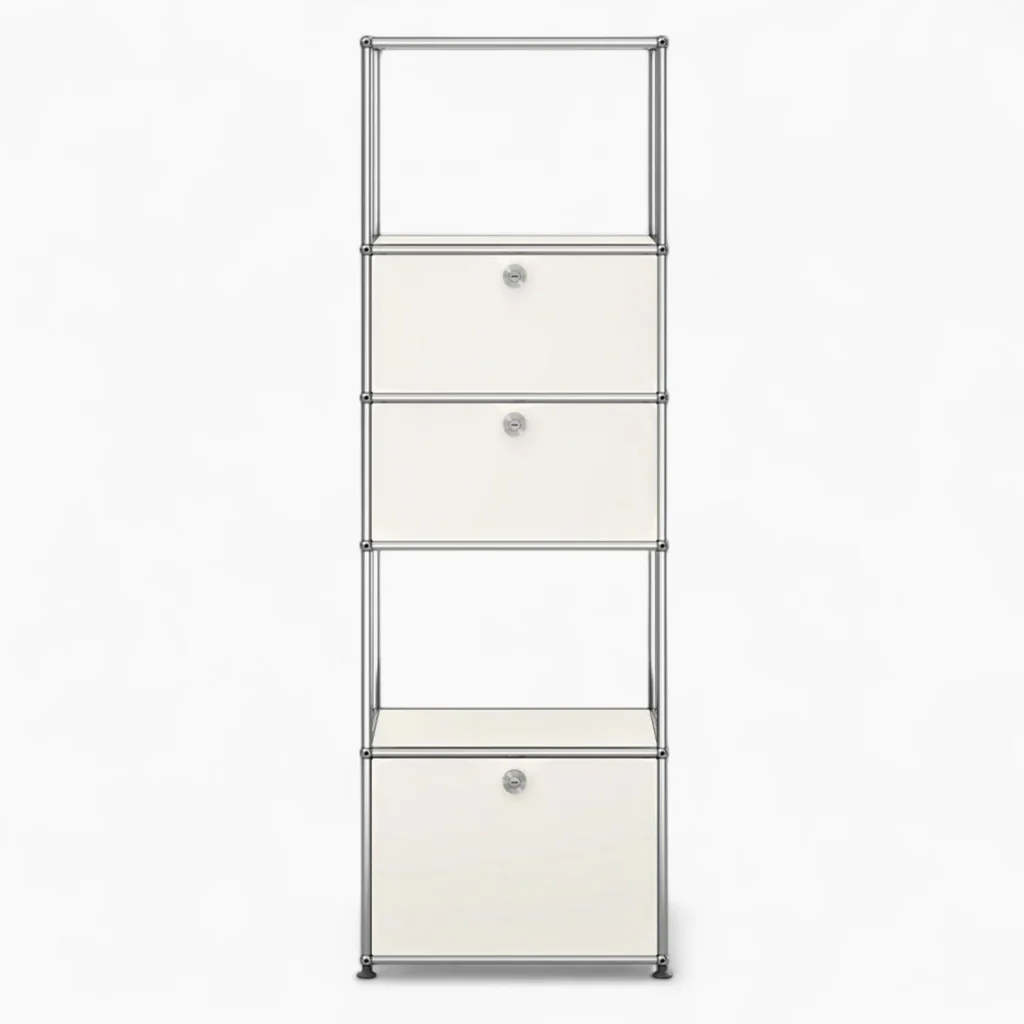
If your nightstand is on the smaller side, or if you prefer a cleaner surface, a wall-mounted swing-arm lamp or a clip-on light frees up the surface entirely. This works particularly well with open-shelf nightstands like the Arvhi P2 Nightstand, where keeping the surface clear is part of the aesthetic.
Controls and Convenience
You’ll be turning this lamp on and off every single night, often when you’re half asleep. Touch controls on the base are more convenient than a traditional switch, especially when the lamp is pushed toward the back of the nightstand. Some lamps with USB ports let you charge your phone directly from the base, which cuts down on nightstand cord clutter.
Memory dimming is a small feature that makes a real difference day to day. It saves your last brightness setting so the lamp comes back on at the level you left it, not at full brightness at 2am.
Types of Bedside Reading Lamps
Traditional Table Lamps
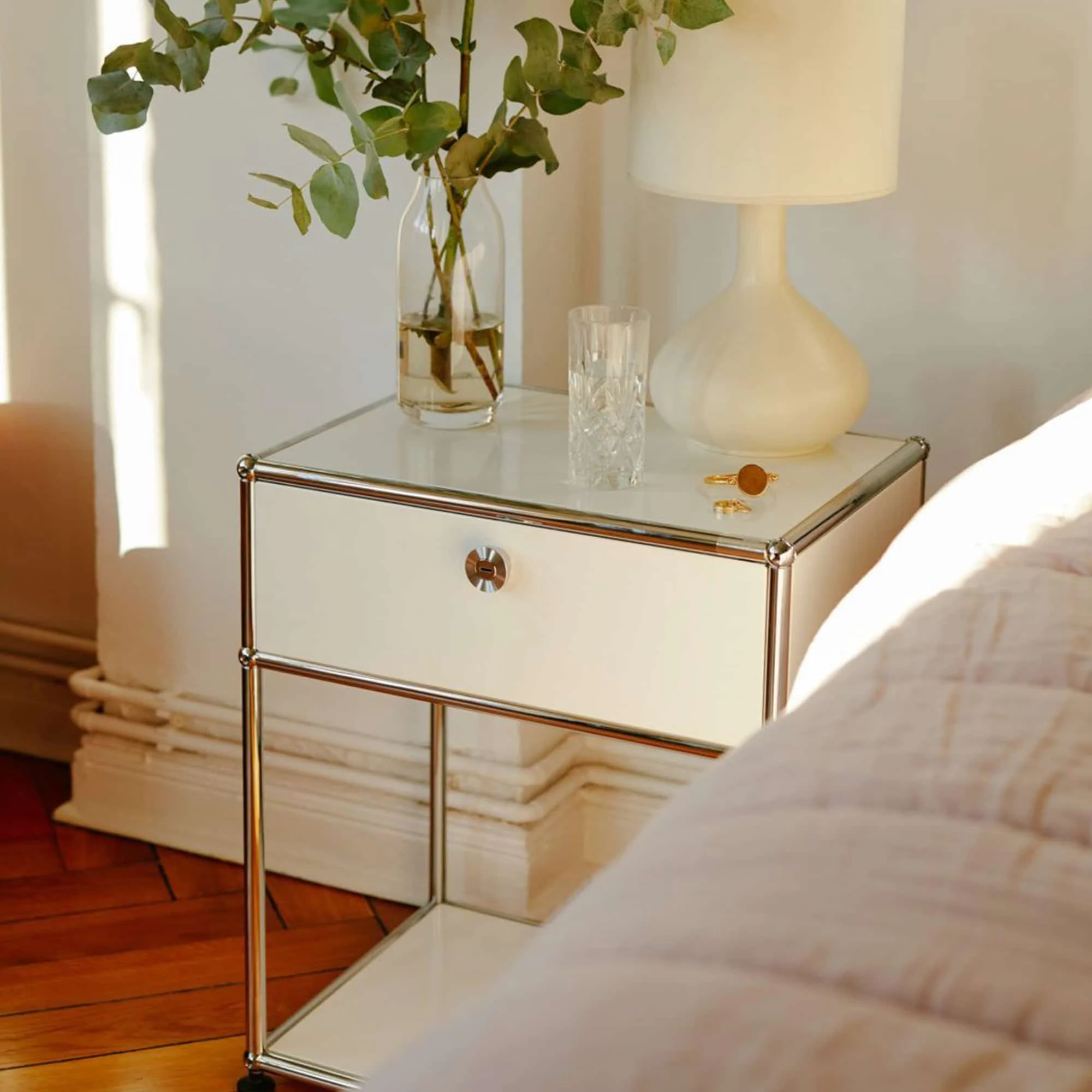
A classic bedside table lamp works well for reading if you pair it with the right bulb and shade. A shade that directs light downward rather than diffusing it in all directions makes a meaningful difference. Drum shades and empire shades with a white interior reflect more light downward and are generally better for reading than opaque or dark-lined shades.
The advantage of traditional lamps is design flexibility. They come in every possible style, finish, and height, so matching your existing bedroom is straightforward. The trade-off is that most don’t offer dimming or directional adjustment without a separate dimmer switch or a smart bulb added in.
Adjustable Arm and Task Lamps
Task lamps designed for desks often translate well to nightstand use. They typically have articulated arms, built-in dimmers, and focused beam angles that work well for reading. The trade-off is aesthetic: they tend to look more functional than decorative, which may or may not suit your bedroom.
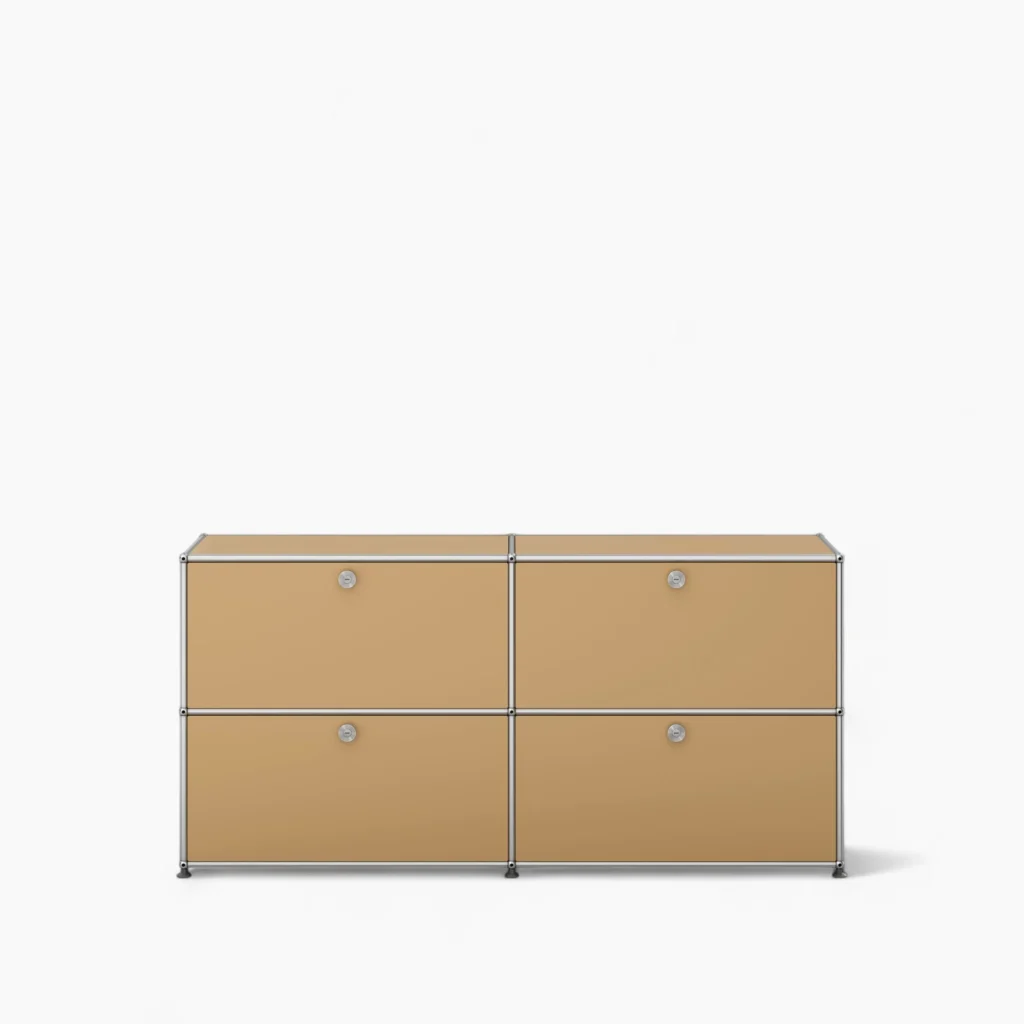
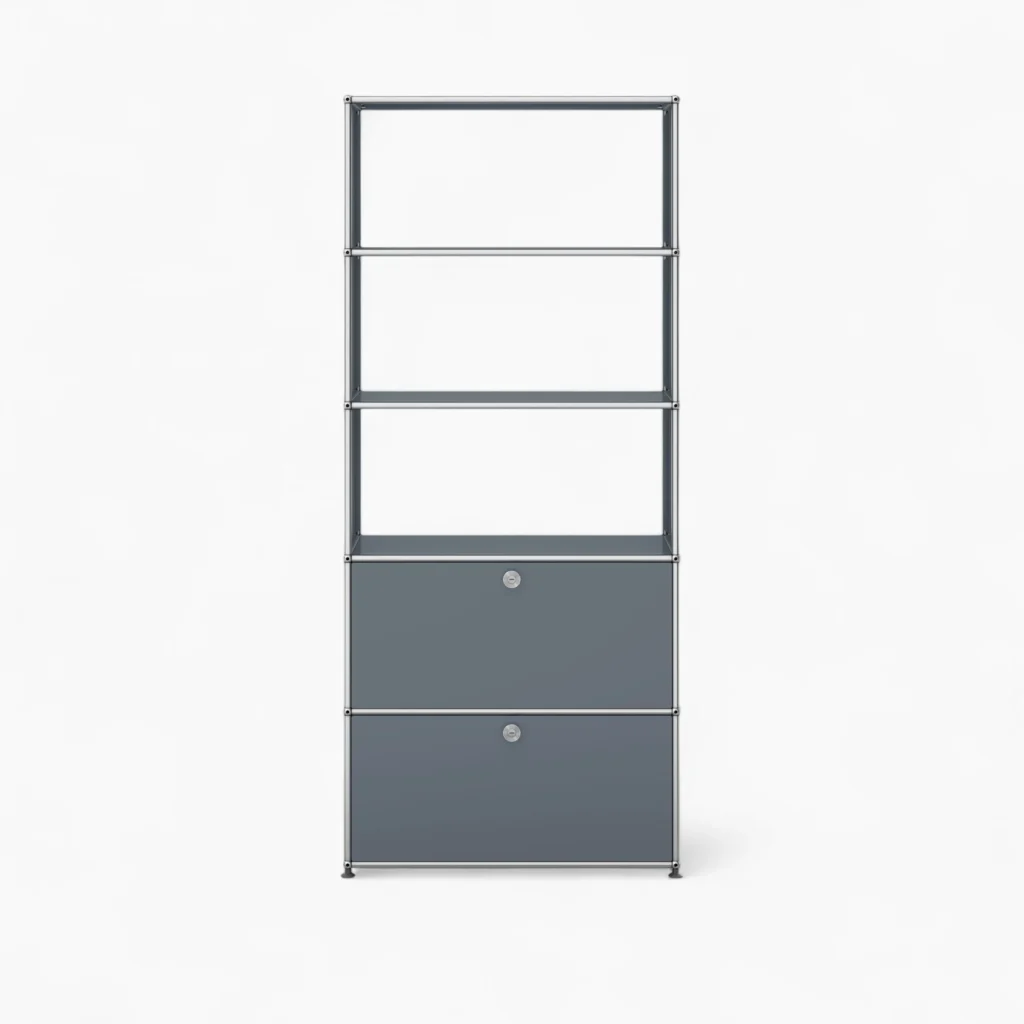
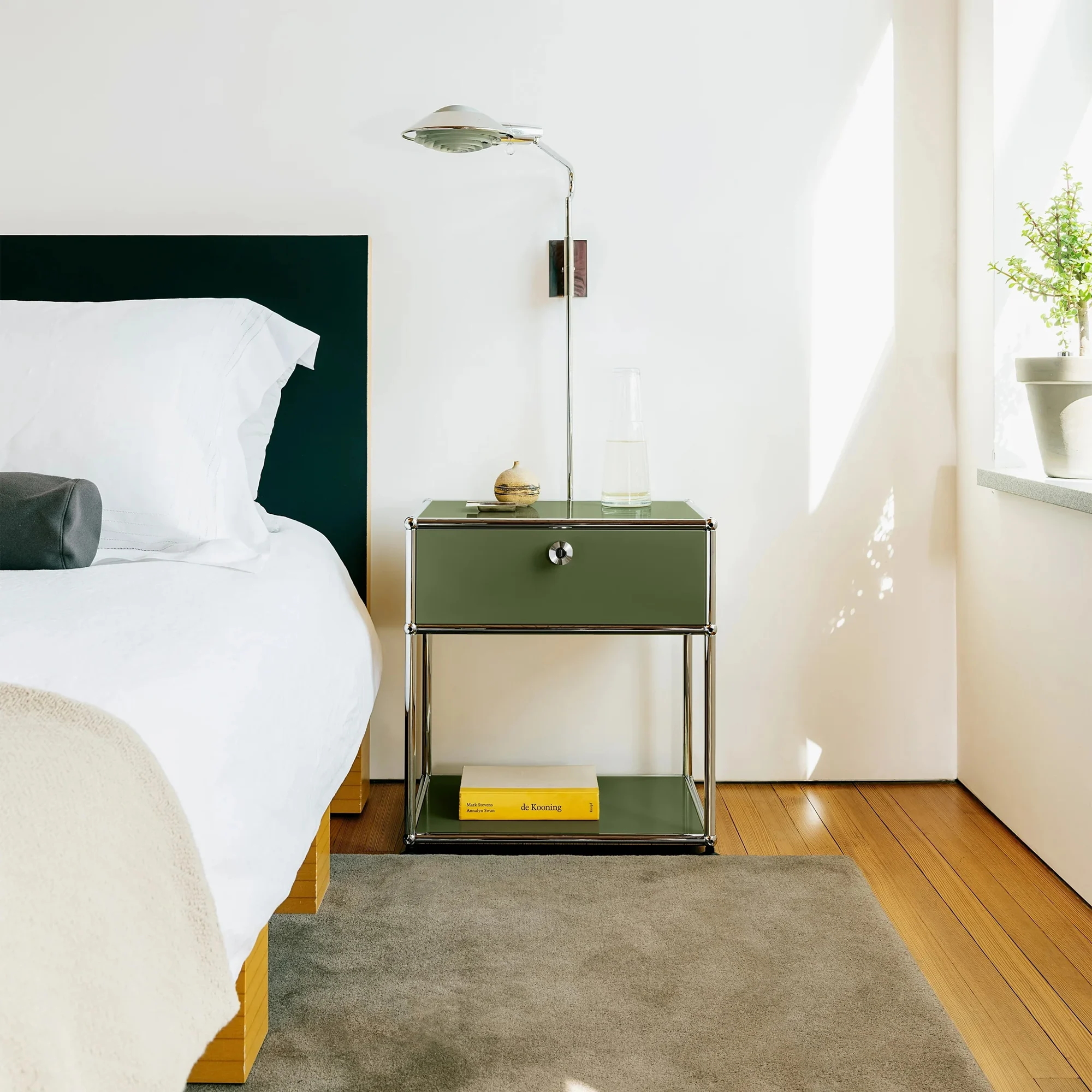
If you’re going for a clean, modern look in your bedroom, a task lamp on a minimal nightstand can actually look intentional rather than utilitarian. This works especially well in rooms with a design-forward sensibility, like a bedroom built around modular steel furniture in the USM Haller style.
Clip-On Reading Lights
Clip-on lights attach to a headboard, book, or shelf and put the light exactly where you need it. They’re the most practical option for shared sleeping situations and take up zero nightstand space. The downside is that most are battery-powered or USB-rechargeable, which means you need to keep track of charging, and they tend to have a narrower range of brightness settings compared to plug-in lamps.
For solo use or travel, they’re excellent. For a permanent setup, a plug-in lamp with a good dimmer is usually more satisfying long term.
Wall-Mounted Reading Lights
Swing-arm wall sconces mounted on either side of the bed are the most architecturally clean solution. They eliminate nightstand footprint entirely and put the light at exactly the right reading height. Installation requires running wiring to the wall or using hardwired plug-in versions, but the result looks polished and purpose-built in a way that freestanding lamps rarely achieve.
If you’re setting up a bedroom from scratch or doing a renovation, wall-mounted reading lights are worth considering seriously. They pair particularly well with minimal bedrooms where the goal is to keep surfaces clear.
Matching Your Lamp to Your Nightstand Setup
Small or Minimal Nightstands
If your nightstand has a limited surface, you have two good paths. The first is a slimline table lamp with a small-footprint base and touch controls so you’re not reaching around the back to find a switch. The second is skipping the table lamp entirely in favor of a wall-mounted lamp or clip-on light.
The Arvhi P2 Nightstand is a compact, open-shelf design with a clean metal frame. Its open structure means everything on it stays visible, so keeping it tidy is easy. A slim lamp with a base around 5 inches across works well here without making the nightstand feel cramped.
Traditional Nightstands with Drawers
Deeper nightstands with drawer storage offer more vertical presence, which means taller lamps are proportionally appropriate. A lamp in the 20 to 24 inch height range tends to work well here. The base can be a bit larger since the nightstand surface is typically 18 to 20 inches wide and can accommodate it without looking crowded.
Matching Lamps on Both Sides
Matching lamps on either side of the bed gives the room a visually balanced look and means both people have equal quality of reading light. If you buy two identical adjustable lamps, each person can angle their light independently, which is the most practical solution for couples who both read in bed regularly.
Getting the Aesthetic Right
The lamp and nightstand work together more than most people think when buying them at different times. A heavy ornate lamp on a slim modern nightstand looks mismatched. A delicate minimalist lamp on a chunky farmhouse table looks equally off.
For bedrooms with a clean, contemporary look, lamps with thin profiles, matte metal finishes, and simple geometric bases work well. This is the aesthetic that pairs naturally with nightstands like the Arvhi P2, which draws from the same steel and geometry language as modular furniture systems like USM Haller. If you’re already using or considering USM Haller-style modular furniture elsewhere in your home, keeping a similar visual language on the nightstand makes the room feel deliberate rather than assembled from unrelated pieces.
For warmer or more eclectic bedrooms, a lamp with a fabric shade, ceramic base, or aged brass finish fits better. The key is that the lamp’s visual weight matches the nightstand’s visual weight.
Frequently Asked Questions
What color temperature is best for a bedside reading lamp?
For reading in bed, warm white light in the 2700K to 3000K range works best. It’s easy on the eyes, reduces strain during extended reading sessions, and supports your natural wind-down process. Avoid cool white or daylight bulbs above 4000K for bedroom use as they’re too stimulating before sleep.
How bright should a bedside reading lamp be?
A lamp that delivers between 300 and 500 lumens at your reading surface is enough for comfortable reading. A dimmable lamp gives you the most flexibility since you can reduce to around 200 lumens for late-night sessions when the room is dark, and increase brightness for early evening reading when there’s still ambient light around. Starting at max brightness every night gets old quickly.
Should a bedside reading lamp be taller or shorter than the nightstand?
The lamp shade should sit at roughly eye level when you’re reading in bed, which for most people means a total lamp height of around 24 to 30 inches from the nightstand surface. If your nightstand is very low, a taller lamp compensates. The practical test is sitting in your reading position and confirming the light hits your page rather than your eyes.
Is a clip-on reading light as good as a table lamp for reading in bed?
For pure reading function, a good clip-on is very effective and has the advantage of not disturbing a partner. The trade-off is fewer brightness settings, the need for regular charging, and less contribution to the room’s ambient feel. For a permanent setup, most people find a plug-in table lamp with a dimmer more satisfying over time.
What nightstand works well with a reading lamp?
The best nightstand for a reading setup keeps your essentials within reach without cluttering your space. Open-shelf designs like the Arvhi P2 Nightstand work well because they keep everything visible and accessible, and the open structure makes the lamp feel like part of a composed setup rather than just sitting on a shelf. The clean steel frame pairs naturally with a range of lamp styles.
How do I reduce eye strain when reading at night?
The main factors are light quality, brightness, and positioning. Use a warm-toned lamp in the 2700K to 3000K range, keep brightness moderate rather than at maximum, and position the lamp so light falls on the page rather than directly at your eyes. Keeping some ambient light in the room rather than reading in total darkness also helps. A dimmable bedside lamp set to a comfortable level is the most practical setup for most people.