

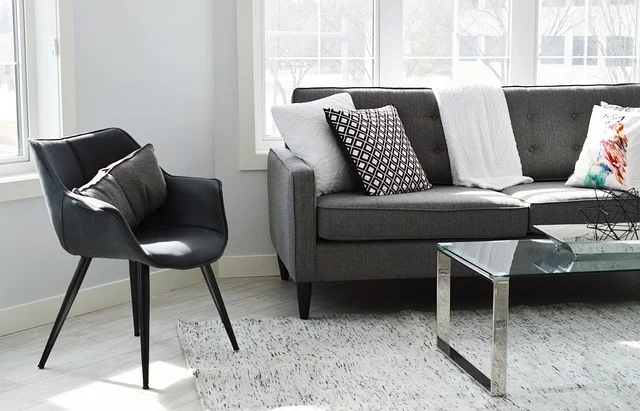
Many homeowners struggle to find furniture that balances durability with a neutral palette. You might want something sophisticated without committing to stark black or bright white. This is where a grey leather chair becomes a practical solution for any space. It offers warmth while maintaining a clean look that fits many design trends.
The challenge often lies in selecting the right shade of grey to complement existing walls and flooring. Some hues appear too cool under certain lighting conditions, while others might feel dated quickly. Understanding the texture and finish helps you make an informed decision before purchase. This guide will help you navigate those choices effectively.
Why a Grey Leather Chair Fits Any Room Style

Neutral tones are essential for creating a cohesive interior design scheme across different rooms. A grey leather chair acts as a bridge between colorful accents and structural elements like windows. It does not compete with artwork or rugs but rather supports them visually. This versatility allows you to change decorative items without replacing major furniture pieces.
Modern interiors often rely on monochromatic schemes to create a sense of spaciousness and calm. The matte or semi-gloss finish of leather adds depth without overwhelming the eye. Whether your home features industrial pipes or soft textiles, this material adapts well. It provides a grounding element that anchors the seating arrangement in the center of the room.
Furthermore, grey complements both warm wood tones and cool metal finishes found in contemporary homes. You can pair it with brass lamps or oak side tables seamlessly. This flexibility reduces the need for constant redecorating when trends shift slightly over time. Long-term satisfaction comes from owning a piece that remains relevant through changing seasons.
Maintenance Tips to Extend the Life of Your Chair
Proper care ensures that your investment retains its value and appearance for years to come. Dust accumulation can scratch the surface if left unaddressed for long periods. Regular cleaning prevents the buildup of oils from skin contact which degrades the material.
Cleaning Surfaces Regularly
You should use a soft cloth to wipe down the seat and backrest weekly. Avoid harsh chemicals that strip away natural oils protecting the hide from within. Specialized leather conditioners replenish moisture levels lost due to dry indoor air. This step keeps the material supple and prevents cracking along stress points.
Protecting from Sunlight
Prolonged exposure to direct sunlight causes fading and makes the leather brittle over time. Position your chair away from large windows or use curtains to filter light intensity. If relocation is not possible, apply UV protectant sprays designed specifically for upholstery. These products create a barrier against harmful rays that damage fibers beneath the surface.
Spills happen regardless of how careful one is with their living environment. Immediate action is required to prevent staining or permanent discoloration on the fabric. Blot the area gently with a dry towel instead of rubbing the liquid deeper into the pores. Quick response significantly increases the chances of complete removal without professional intervention later.
Common Mistakes When Buying Leather Furniture

Shoppers often prioritize price over quality when browsing online marketplaces or big box stores. Cheaper options may use bonded leather which looks similar but lacks durability and breathability. Genuine hides develop a patina that improves with age, whereas synthetic materials tend to peel eventually. Reading product specifications carefully helps avoid these disappointing purchases.
Another frequent error is ignoring the type of finish used during the manufacturing process. Aniline dyes allow the grain to show fully but require more maintenance than protected variants. Semi-aniline offers a balance between natural look and resistance to spills. Knowing the difference empowers you to select the right level of protection for your lifestyle needs.
Sizing issues also arise frequently when ordering large items for delivery without measuring spaces first. Ensure there is enough clearance around the chair for comfortable entry and exit from all angles. Consider the height relative to your coffee table or sofa to maintain visual harmony. Proper dimensions ensure functionality alongside aesthetic appeal in your chosen layout.
How to Style Your Seating Area Effectively
Accessories play a crucial role in enhancing the visual impact of a single statement piece. Throw pillows in contrasting colors add texture and soften the rigid structure of the frame. Choose fabrics like wool or velvet to create tactile interest against the smooth leather surface.
Rugs define the zone and ground the furniture within the larger floor plan. A geometric pattern works well with the organic curves often found in lounge designs. Keep the rug neutral to let the chair remain the focal point of the corner. Layering different textures creates depth without cluttering the visual field unnecessarily.
Lamps positioned nearby provide task lighting and highlight the material texture during evening hours. Table accessories such as books or trays add personality without overpowering the main subject. Maintain a balance between utility and decoration to keep the area inviting and functional. Every object should serve a purpose or contribute meaningfully to the overall composition.
Real Benefits of Investing in Quality Leather
Industry reports indicate that high-quality leather furniture lasts three times longer than fabric alternatives. This statistic highlights the economic advantage of spending more upfront on durable goods. You save money over time by avoiding frequent replacements of worn-out seating units.
Breathability is another critical factor distinguishing premium materials from cheaper imitations. Synthetic covers trap heat and cause discomfort during warmer months indoors. Real hide regulates temperature naturally allowing for extended periods of sitting without perspiration buildup. This physical comfort contributes significantly to daily relaxation routines in a busy household.
Environmental concerns regarding waste production also favor long-lasting products over disposable fast furniture. Extending the lifespan of an item reduces the frequency of disposal and landfill usage. Choosing ethically sourced leather supports sustainable practices within the global supply chain. Conscious consumption leads to better outcomes for both personal wallets and planetary health.
FAQ
What is the best way to clean a grey leather chair?
Use a soft microfiber cloth to remove dust before applying a leather-specific cleaner. Test the solution on a small hidden area first to ensure no discoloration occurs. Gently wipe the surface in circular motions and allow it to air dry completely before using the chair again.
Can I put a grey leather chair outside on my patio?
Standard indoor leather chairs should not be exposed to outdoor elements like rain or direct sun. Moisture causes mold growth while UV rays lead to rapid fading and cracking. Look specifically for weather-resistant outdoor leather if you intend to place it in an uncovered area permanently.
How do I know if my leather chair is genuine or faux?
Genuine leather feels warm and soft to the touch while fake versions feel cooler and plastic-like. Check the back of the cushion for labels indicating material composition. Burn tests on loose threads can also confirm authenticity since real leather smells like burning hair unlike plastics.
Does a grey leather chair fade over time?
All colored leather can fade slightly depending on exposure to sunlight and cleaning habits. Using UV protectants and keeping curtains closed during peak sun hours minimizes this effect. Conditioning regularly helps maintain the rich tone and prevents premature aging of the material surface.