
Japandi vs Scandinavian: How to Tell Them Apart, With Measurements
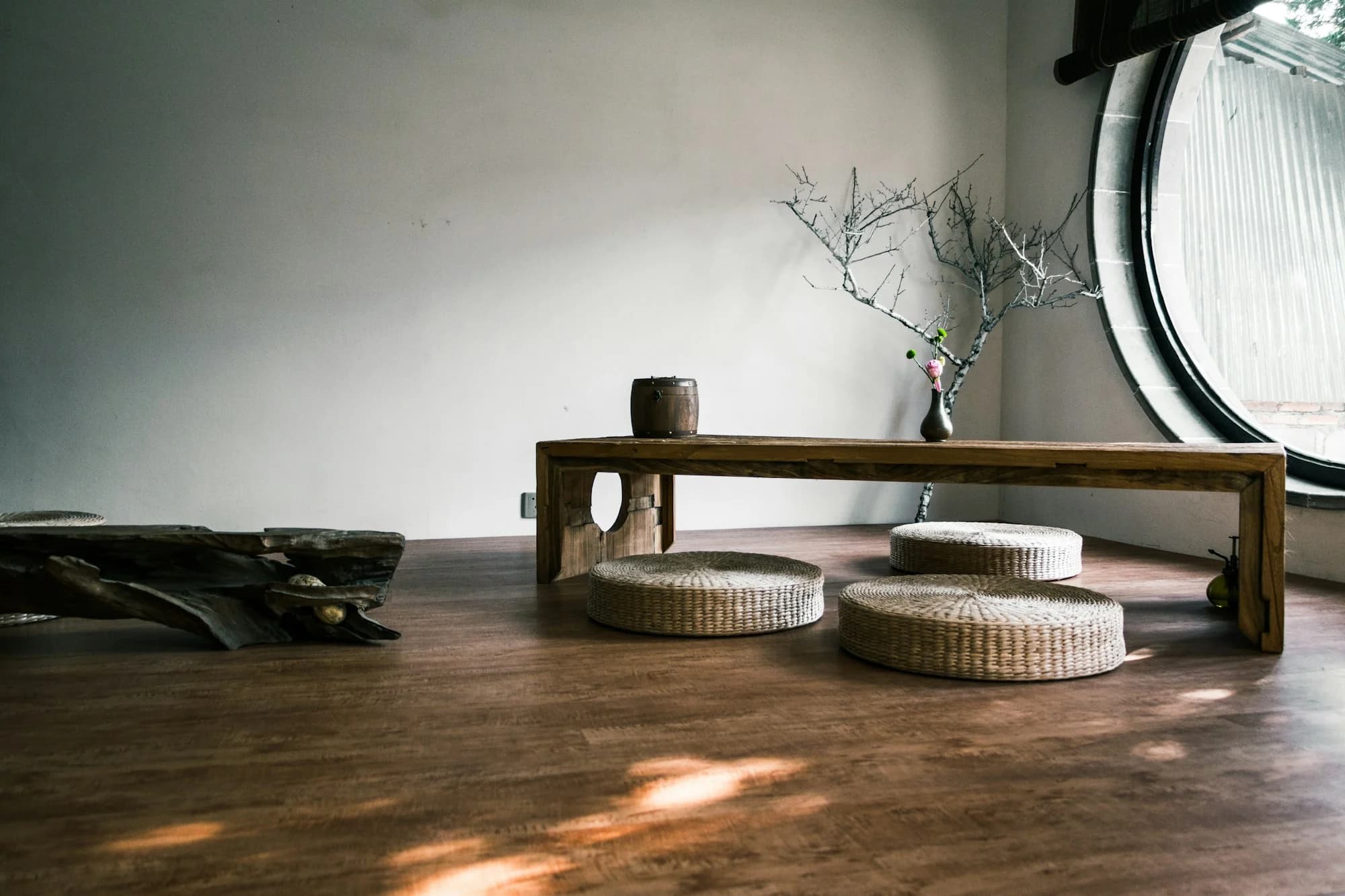
Scandinavian is lighter and softer, while Japandi is lower, darker and emptier. Both use natural materials and simple shapes, but Japandi sets furniture close to the floor, leans on earth tones and charcoal, and leaves more empty space. One guide puts a Japandi sofa seat at 15 to 17 in (38.1 to 43.2 cm), against 18 to 19 in (45.7 to 48.3 cm) for a standard seat.
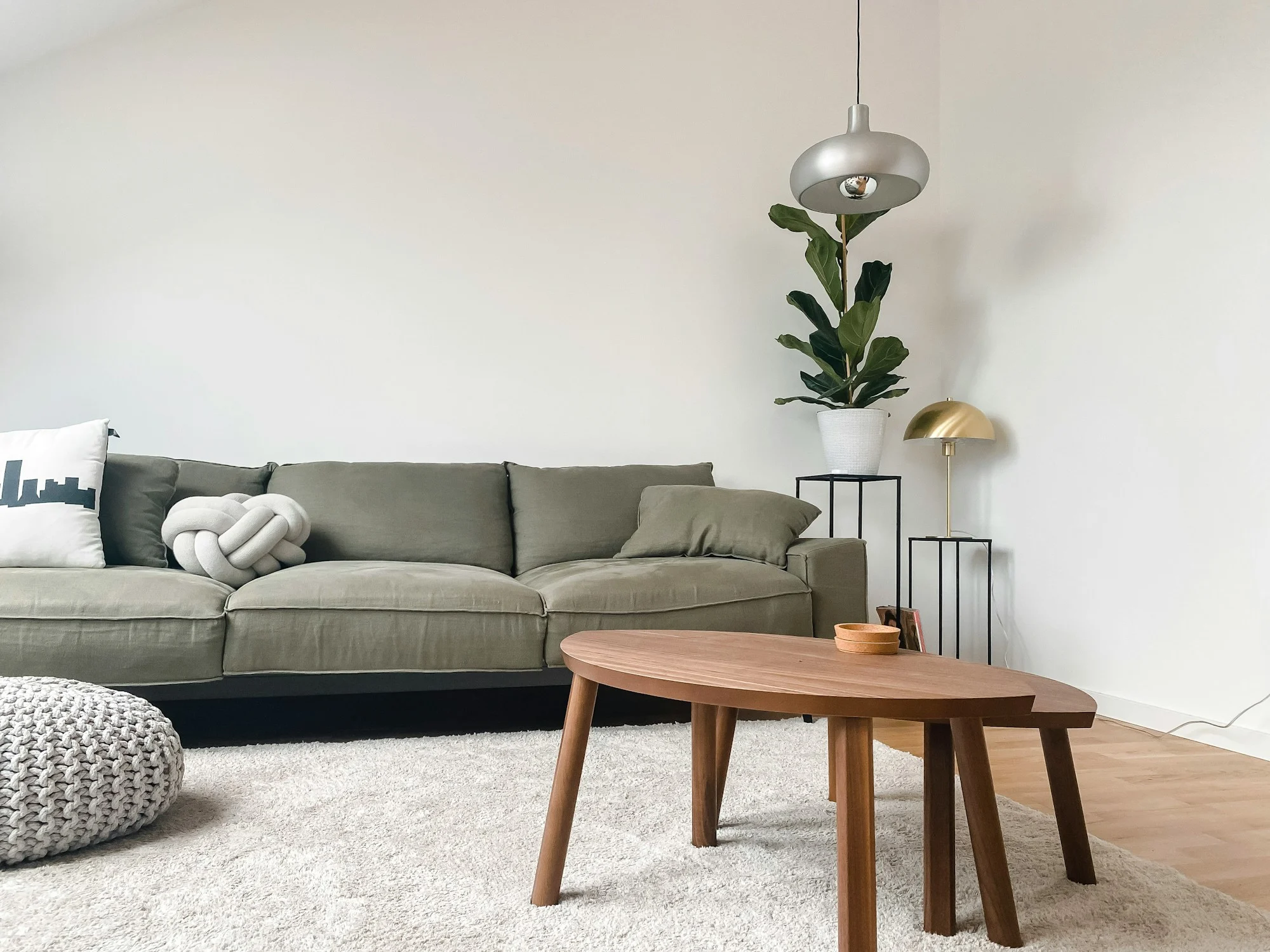
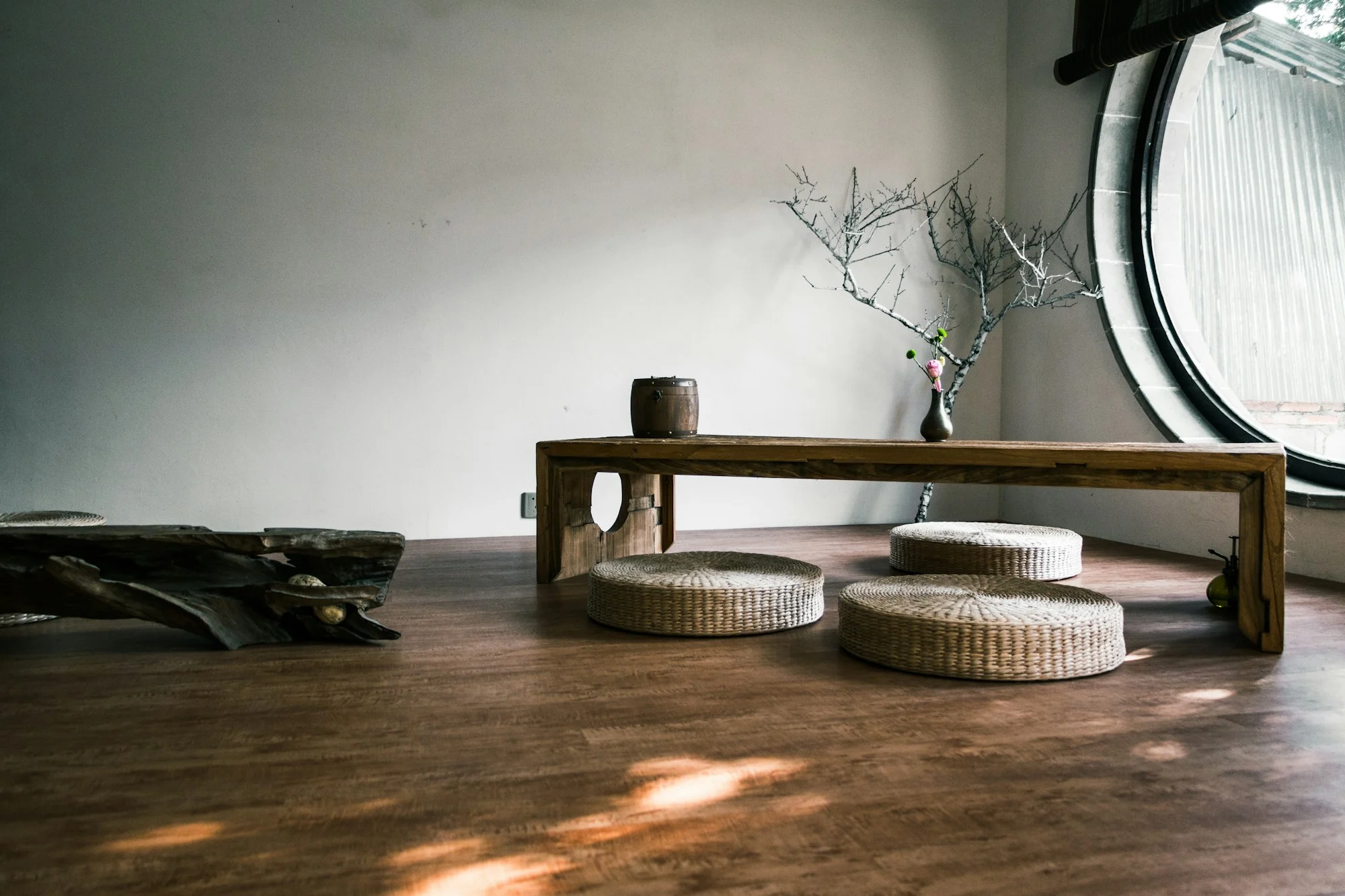
Both rooms use natural materials, but the second sits closer to the floor, with a darker palette and more empty space. The table below sets the differences side by side.
The short answer
Japandi blends Japanese restraint with Scandinavian warmth. Akiya Japan says design magazines began using the name around the middle of the 2010s, and Remodelhome says it became mainstream around 2018 to 2020, so it is a recent fusion. Scandinavian design, by contrast, comes from Sweden, Denmark, Norway and Finland, mostly in the mid-20th century, according to Remodelhome.
Side by side
| Attribute | Scandinavian | Japandi |
|---|---|---|
| Origin | Mid-20th century, from long dark winters, thrift and a postwar push for democratic design (Remodelhome). | A recent blend of Scandinavian function with Japanese wabi-sabi, popular since the mid-2010s or around 2018 to 2020, depending on the source. |
| Wood | Light oak, ash, beech and white-washed pine (Remodelhome). | Walnut, smoked oak and black-stained wood, often with pale oak and ash (Remodelhome, House AI). |
| Palette | Whites, light grays and soft pastels (House AI). | Oatmeal, warm gray and charcoal, with a few dark accents (House AI). |
| Furniture height | Standard height, often raised on slim legs (House AI). | Low to the floor, such as platform beds and low sofas (House AI). |
| Textiles | Wool throws, knits and sheepskin (House AI). | Linen and cotton, fewer and flatter (House AI). |
| Decor | Minimal but bright, often a few colorful accents (Remodelhome). | Sparse and monochrome, with deliberate gaps (Remodelhome). |
| Idea | Hygge, the Danish habit of building comfort from warm light and soft textiles (Akiya Japan). | Wabi-sabi, finding beauty in the weathered and imperfect (Akiya Japan). |
Measuring the difference
Height is the one difference you can measure. Erylin gives a sofa seat of 15 to 17 in (38.1 to 43.2 cm) for Japandi, a coffee table of 14 to 16 in (35.6 to 40.6 cm), and a media console of 16 to 20 in (40.6 to 50.8 cm). It compares the sofa with a standard seat of 18 to 19 in (45.7 to 48.3 cm). Povison suggests keeping Japandi pieces under 32 in (81.3 cm) tall. These figures come from retail guides, so treat them as a rule of thumb.
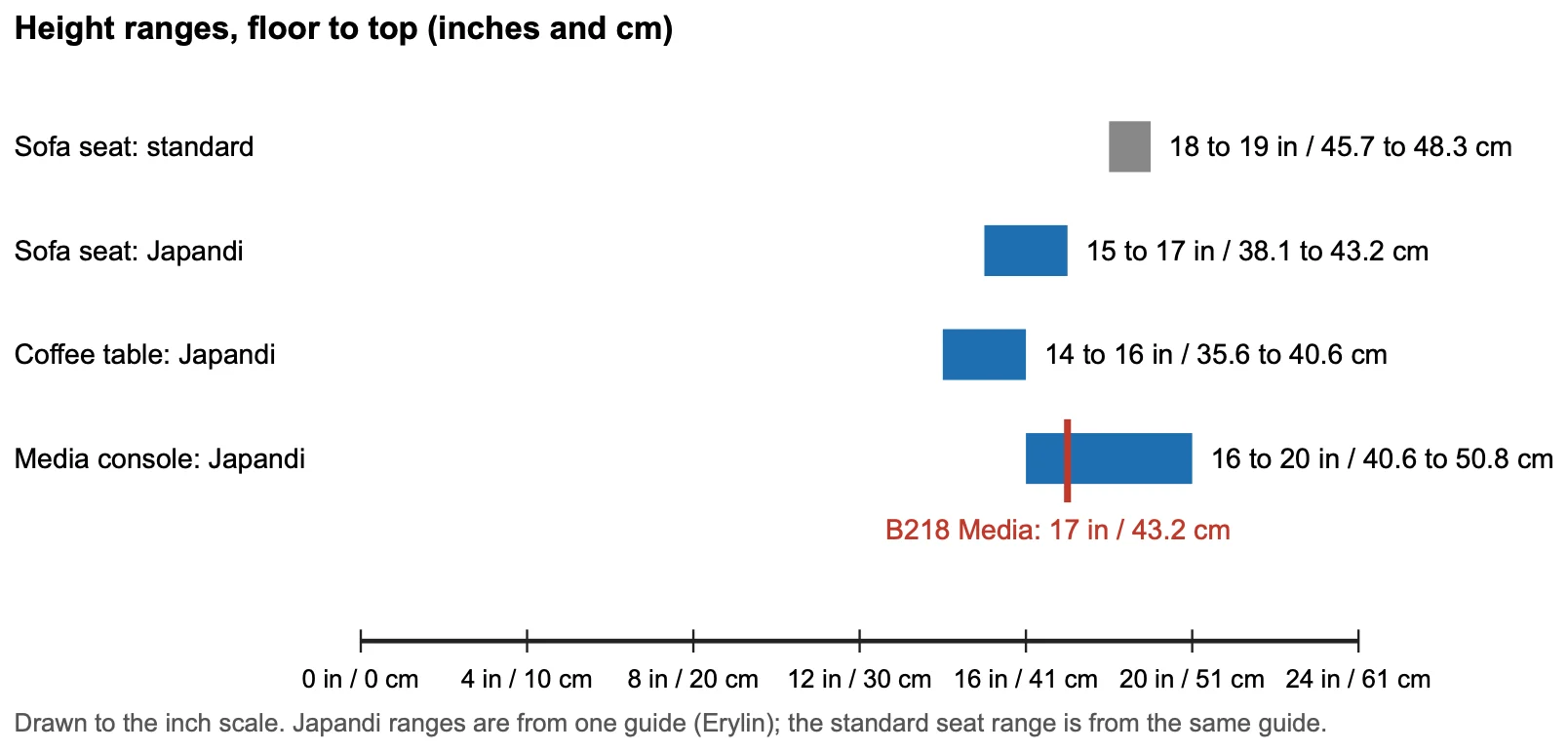
Worked example. If your sofa seat is 45.7 cm (18 in), a standard seat, a 35.6 to 40.6 cm (14 to 16 in) Japandi coffee table sits 5.1 to 10.2 cm (2 to 4 in) below it.
How to choose
- Pick the mood first. Scandinavian is light, airy and optimistic. Japandi is calm, contemplative and slightly somber (Remodelhome).
- Decide the wood. Pale for Scandinavian, with a darker anchor for Japandi. Crea suggests keeping to two or three tones per room.
- Check the height. Measure your sofa seat and coffee table against the ranges above before you buy.
- Mix on purpose. Japandi borrows half its name and much of its furniture from Scandinavian design (House AI), so the two can share a room if the palette and the heights agree.
Where a steel unit fits
Arvhi is a modular steel system, not a wood or natural fiber brand, so it sits at the edge of both styles. The B218 Media is 43.2 cm (17 in) high, which falls inside the 16 to 20 in media console range above. Its panels come in 14 colors, including Pure White and Light Gray for a Scandinavian palette and Beige, Mid Gray and Anthracite for a Japandi one (our pairing, not a published standard). The frame is chrome-plated steel and not wood, and Povison advises matte finishes over gloss for Japandi, so treat a unit as a contrast piece, not the core of the room. None in our range is wood. See the media collection for current pieces.
Fill-in checklist
| Question | Your answer |
|---|---|
| Scandinavian or Japandi mood? | |
| Main wood tone and one dark anchor? | |
| Sofa seat height (cm / in)? | |
| Coffee table height (cm / in)? | |
| Media console height (cm / in)? | |
| Wall color and two accent colors? |
Frequently asked questions
What is Japandi style?
Japandi is a blend of Japanese restraint and Scandinavian warmth. Design magazines began using the name around the middle of the 2010s, according to Akiya Japan. It keeps natural materials, simple shapes and few objects, with lower furniture and a darker, warmer palette than a classic Nordic room.
What is modern Scandinavian design?
Remodelhome describes Scandinavian design as coming from Sweden, Denmark, Norway and Finland, mostly in the mid-20th century. Its principles are function first, light maximization, simple forms and accessibility, with a lighter palette and woods such as light oak, ash, beech and white-washed pine.
What is the difference between Japandi and Scandinavian?
Scandinavian rooms are lighter and softer, and Japandi is lower, darker and emptier. Japandi furniture sits closer to the floor, the palette runs to earth tones and charcoal, and handmade, imperfect pieces are welcome.
How low is Japandi furniture?
One guide, Erylin, gives a Japandi sofa seat of 15 to 17 in (38.1 to 43.2 cm) against a standard 18 to 19 in (45.7 to 48.3 cm), and a coffee table of 14 to 16 in (35.6 to 40.6 cm). Another, Povison, suggests keeping pieces under 32 in (81.3 cm) tall. These are guide figures, not standards.
Sources
- Remodelhome, Japandi vs Scandinavian: differences and overlaps.
- House AI, Japandi vs Scandinavian: how to tell them apart.
- Akiya Japan, Japandi: the Japanese-Scandinavian look.
- Crea, Japandi furniture and style.
- Erylin, Mixing high and low: creating a Japandi living room on a budget.
- Povison, Japandi furniture.
These are descriptions of design styles from published guides, not rules. Your room and taste decide the mix.